When agencies hire freelancers, they're not just hiring design skills. They're bringing a new person into their team, even if it's only for a few days.
That means the question isn't only "Can this person design?" It's also "What will it actually be like working with them?"
After freelancing with advertising agencies for many years, I've learned that the experience of working together matters just as much as the work itself. A designer can be talented, but if they're difficult to work with, agencies simply won't bring them back.
So here's a look at how I usually work with agencies when I'm booked as a freelance designer.
Why Agencies Book Me Again
When agencies reach out to book me again, the feedback is usually pretty consistent.
The last project went well. Communication was easy. The work got done quickly and without drama.
I try to keep things straightforward. If someone messages me, they get a quick response. If there's a task that needs doing, I get straight into it.
Freelancing in agencies is fast paced. Nobody has time for someone who disappears for hours or turns a simple task into a complicated process.
At the same time, I try to be personable. Agencies are social environments. There's usually a bit of small talk at the start of meetings and a bit of banter during the day. Knowing when to engage in that and when to get back to work is part of the rhythm of agency life.
Ultimately, agencies are paying a day rate. I take that seriously. When that invoice gets paid, I want them to feel like they got value.
How I Usually Start a Project
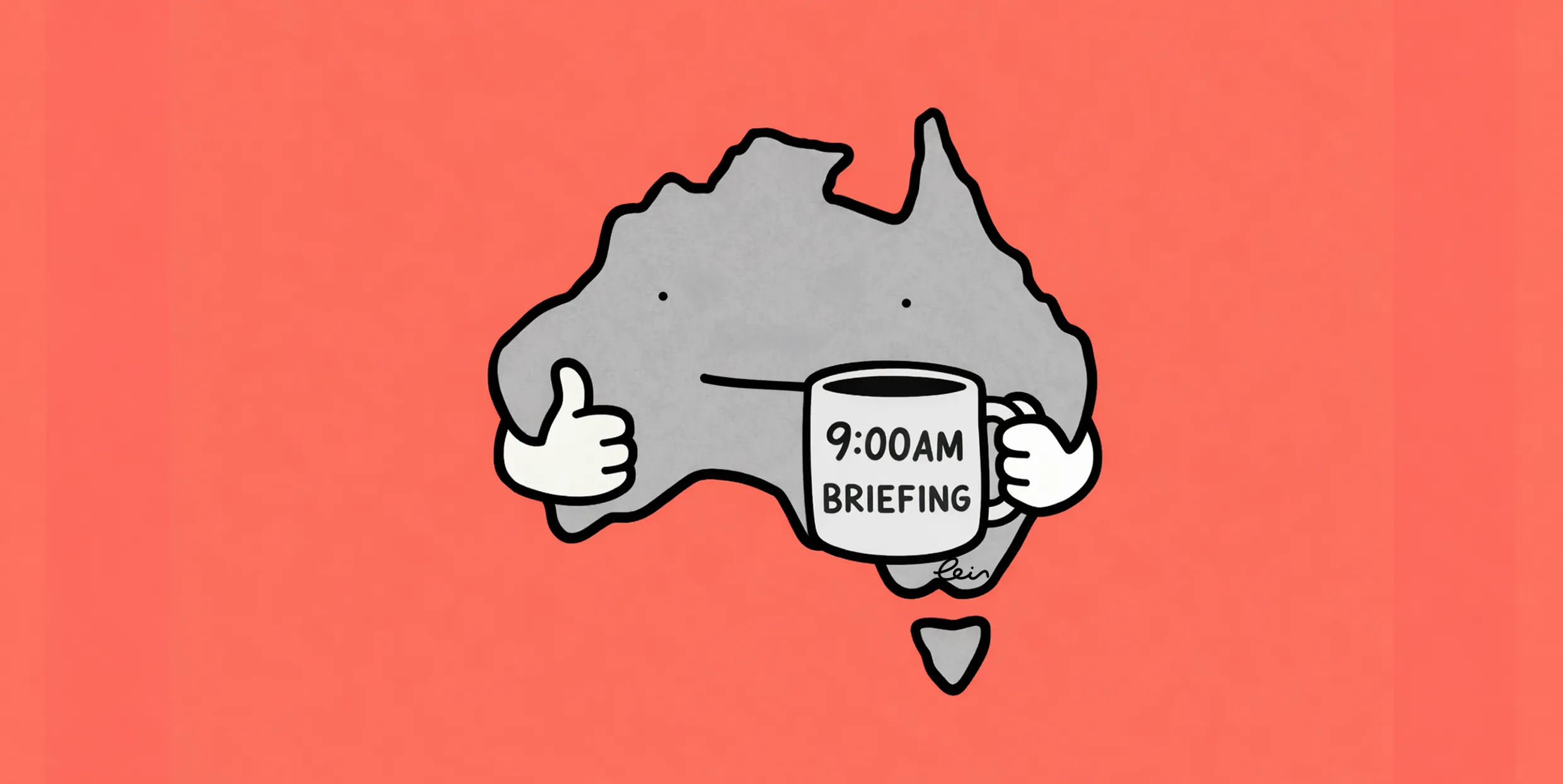
Most freelance projects start with a briefing call around 9 a.m.
Everyone jumps on a video call, there are introductions, and the creative director or producer usually walks through the project.
This is where the context gets explained. What the client needs, what stage the project is at, and what deliverables are expected.
Sometimes the job is straightforward production work. Other times it involves concepts or adapting existing creative into new formats.
By the end of that first meeting, everyone should understand who is doing what and what the immediate next steps are.
Often the first deliverables are expected the same day. Agencies move quickly, so clarity at the beginning saves time later.
How I Handle Feedback
Feedback is part of design.
Early in my career I had to learn that feedback isn't criticism. It's just another perspective.
I often think of design like sculpting. If you only look at a sculpture from one angle, you don't really know what it looks like. You need people viewing it from different directions.
Creative directors, marketing managers and other designers all bring a different viewpoint to the work.
Most of the time that feedback improves the outcome.
That said, I'm not afraid to push back if I think a suggestion isn't moving the work in the right direction. Sometimes people want to leave their own stamp on something, and that doesn't always improve the design.
When that happens, I'll explain my thinking and suggest a direction that makes more sense.
Clean Files Matter
One of the most overlooked parts of freelancing is file organisation.
If you charge a professional day rate but hand over messy files, agencies will remember that.
Good file organisation is part of doing the job properly.
I try to keep everything organised as I go. Layers are named properly. Assets are placed in sensible folders. Nothing is left sitting randomly on the desktop.
The reason for doing this during the day is simple. If someone asks for the files at 6 p.m. and they're still a mess, you're suddenly doing unpaid work cleaning them up.
It's far easier to stay organised while you're working than to fix everything at the end.
Being Easy to Work With
Agencies are collaborative environments. Designers sit next to art directors, producers talk to clients, and projects move quickly through teams.
Being easy to work with is one of the most important qualities a freelancer can have.
That means having basic manners, being respectful of other people's time, and being someone others are comfortable around.
Freelancers walk into a room full of strangers every time they start a new booking. The ability to build rapport quickly makes a big difference.
It doesn't mean you need to be the loudest person in the room. It just means being a normal, decent human who understands how to collaborate.
How I Approach Collaboration
On the first call, I always try to understand the structure of the team.
Who is the creative director? Who is approving work? Who is producing the project?
I'll usually ask something simple like:
"Just so I'm clear, do I send the work to you first, and then it goes to the client?"
This helps establish the chain of communication early.
Once work begins, I stay in constant contact through Slack or Microsoft Teams. Quick updates are often easier than formal emails.
If brainstorming is required, I prefer doing that together rather than working in isolation. Creative ideas often improve when they're discussed openly with the team.
Freelancers are collaborators by nature. The role isn't just to execute tasks, but to contribute ideas when appropriate.
What Agencies Can Expect When They Book Me
If an agency books me, they can expect me online at 9 a.m. Australian time ready to start.
There will usually be a quick meet-and-greet call followed by a briefing.
From there the work begins, and communication stays open throughout the day.
I keep teams updated on progress, what stage the work is at, and when the next deliverables will be ready.
Since agencies are paying for time, I stay conscious of how that time is being used.
If something changes or a project needs to pivot, they know early enough to adjust the plan.
The Goal of Freelancing
At the end of the day, freelancing in agencies is about trust.
If the work is strong, the communication is easy, and the files are clean, agencies tend to call again the next time they need help.
And that's really the goal. Not chasing new clients every week, but building working relationships where people know they can rely on you.